Embark on the 19 days Everest Base Camp Trek without Lukla Flight for incredible memories at an affordable cost and with a smooth itinerary
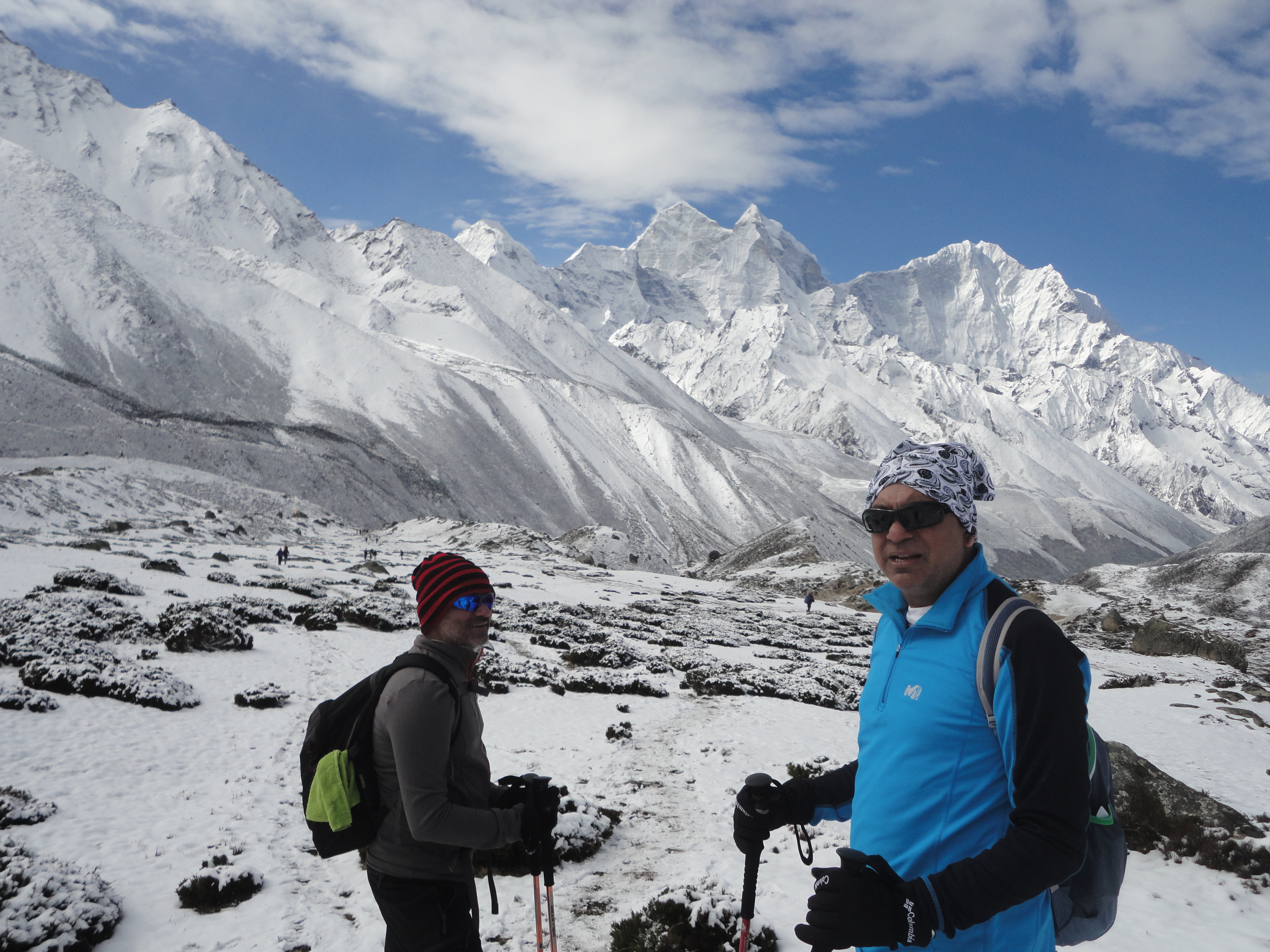
The Everest Base Camp Trek Without Lukla Flight is a rewarding journey in the Everest region, where the UNESCO World Natural Heritage site, Sagarmatha National Park, and Mt. Everest(8848 m), the highest mountain on our planet, enhance the charm of its trekking areas and trails. Most adventurers in the universe choose to fly to Lukla, the gateway to the Everest trekking route, landing at Tenzing-Hillary Airport.
However, some select an exhilarating road ride alongside traditional villages, dense jungles, hills, and rivers before venturing into the exploration of Khumbu’s wilderness. Avoiding the possibility of flight cancellation due to rapidly changing weather, taking the route via Kharikhola and Paiyun may ensure that the package is activated on the exact departure date, depending on the Everest Base Camp Trek Without Flight Itinerary.
Because of such benefits and broader areas to discover in the territory, most trekkers prefer this itinerary. Accordingly, this 19-day package offers to reach the foothills of Everest at an elevation of 5364 m, following the footprints of legendary mountaineers such as Sir Edmund Hillary and Tenzing Norgay Sherpa without flights but walking on paths alongside the classic trail to Everest Base Camp (EBC).
The Everest Base Camp Trek Without Lukla flight takes you through trails adorned with rhododendron forests, centuries-old monasteries, and villages of Shepas, where several mountain climbers spent the period during the training to reach the summit of Mt. Everest (8848 m). Breathtaking scenery and serene environs of both lower and higher elevations encourage you to capture their beauty in your camera roll, making you forget all efforts for covering the daily hiking distance.
While the flight to Lukla takes you directly to an elevation of 2800 m, the itinerary for 2026 without an airplane allows you to acclimatize naturally with gradual ascents. Unique Himalayan cultures of Everest captivate you when you see numerous historical gompas, chortens, and mani walls. Observing the activities of monks and nuns, you might get an opportunity to take part in morning prayers and other religious rituals, influenced by Tibetan Buddhism.
Namche Bazaar, often known as a Sherpa town, is a busy settlement where you can not only buy missing essentials but also have deep insight into the locals’ cultures and know about the bravery of Sherpas as they guide mountaineers to climb Everest. The major highlight, along with spending a worthwhile period at EBC, is also the breathtaking sunrise view over towering, snow-clad mountains such as Mt. Everest, Lobuche, Lhotse, Nuptse, Ama Dablam, and others from the Kalapatthar (5644), the highest vantage point of the Everest Base Camp Trek Without Lukla Flight 2026.
Itinerary
Day 1: Arrival in Kathmandu and transfer to the hotel(1338 m)
Upon your arrival at Tribhuvan International Airport, Kathmandu, our official from Adventure Treks Nepal will be waiting to give you a warm welcome with a “Mala” or bookie. Afterward, you will be transferred to the hotel in Thamel, a vibrant bazaar in the capital city. In the evening, you can stretch your legs around the streets of vibrant markets and also buy essentials for the trip.
Day 2: Rest day in Kathmandu or Explore around the valley.
On this day, you can either take a rest or refresh by exploring the Kathmandu Valley before venturing into the Everest region as per your preferences. Since the Valley is rich in cultures and nature, showcasing the charm of natural grandeur and centuries-old heritages, you will know the history of old Nepal. Museums, late kings’ palaces, gompas, temples, hills, zoos, and gardens show that Kathmandu is not only a busy settlement with modern technology but also a tapestry of lively cultural heritage and serene natural ornaments.Durbar Squares (Patan, Kathmandu, and Bhaktapur), Soyambhunath(Monkey temple), Boudhanath, and Pashupatinath are major places to discover historical things, which are UNESCO World Cultural Heritage Sites. The next day, as you walk towards the trekking areas, you will meet your trekking guide and fellow that will accompany you throughout the journey. Before sleeping, check once again all the equipment that should be in your packing list.
Day 3: Drive from Kathmandu to Kharikhola [2,257m]
Leaving the hustle and bustle of the capital city, head to Kharikhola with a scenic drive alongside traditional settlements and high hills. The journey of a long distance will be worthwhile while staying at the teahouse of the day's destination, Kharikhola, as it always serves as a perfect pausing spot along the classic trekking route to Everest Base Camp through Jiri or Salleri.
Day 4: Trek from Kharikhola to Paiyun [2,760 m]
After a hearty breakfast, make your way towards Paiyun, traversing villages such as Bupsa and Kharte. Despite some challenges due to steep ascents and descents, enjoy walks via rhododendron forests with breathtaking views of mountains and panoramic scenery of the lower Himalayan slopes of Khumbu. At Paiyun, a serene spot before entering a more crowded section of Everest, enjoy the excellent hospitality of ethnic groups like the Sherpa and Rai, who are running simple lodges and teahouses to serve trekkers. Here, you can see traditional stone houses, various animals, and terraced fields of crops.
Day 5: Trek from Paiyun to Phakdaing [2,640 m]
Begin your trek with a descent through verdant forests, passing through charming local villages. Cross several suspension bridges and follow the Dudh Koshi River, immersing yourself in the vibrant culture of the Sherpa people. Arrive in Phakding, where you will spend the night in a comfortable lodge.On the Everest Base Camp trek without the Lukla flight, the descending trail, adorned with rhododendron forests, will pass through quaint settlements. After crossing several suspension bridges, reach Phakding by following the Dudhkoshi river route.
Day 6: Trek from Phakding to Namche Bazaar [3440 m]
After a hearty breakfast, start to cover today’s hiking distance, and cross two suspension bridges at different places before starting to walk via Sagarmatha National Park, a hamlet with several rare flora and fauna. Until Namche Bazar, you might spot wildlife while walking on a route adorned with rhododendrons and other plants. Meanwhile, the glimpses of yaks grazing at pasturelands or transporting goods to higher lands will show you how people of isolated, mountainous landmarks struggle to make a living. On the way, the scenes of Nupla, Thamserku, Nupla, and Kongde Ri make this hike worthwhile. After reaching Namche Bazar, check into the teahouse for an overnight stay.
Day 7: Visit Everest View Point (3820 m) and Trek to Kyanjuma (3550 m) from Namche Bazaar.
Before the Everest Base Camp, experience beautiful moments at Hotel Everest View, built in 1971, with the most wonderful views of Mt. Everest (8848 m). Enjoy various fresh Nepalese foods with hot drinks while savoring the beauty of the surroundings. The next destination is Kyanjuma (3550 m), a beautiful village with comfortable teahouses and lodges, and popular for views of Mt. Thamserku and Ama Dablam. As this place is more tranquil compared to Namchebazar, it captivates trekkers going to Everest Base Camp and Gokyo Valley who love fewer crowds.
Day 8: Trek to Debuche [3,820 m] via Tengboche
After a hearty breakfast, with some ascents and descents, reach the beautiful village of Debuche, an alternative to Tengboche for pausing, as it is more peaceful due to fewer crowds. While covering approximately 6-7 km, you will traverse settlements like Phunki Tenga and Tengboche. In the first phase, the trail is more descending, and then it is steeper uphill before the downhill to Debuche.Here, you can visit Ani Gompa or Deboche Nunnery, established in 1927 A.D., which is popular as one of the nunneries in the home of Mt. Everest. Trekkers explore this to have spiritual satisfaction, observing daily activities (morning chanting and other activities).Enjoy nice teahouses that provide cozy rooms, and also savor the beauty of the surroundings. There are also large accommodations, such as Rivendell lodge, which provides more advanced facilities together with authentic dishes in a traditional way compared to others.
Day 9: Trek from Debuche to Dingboche [4,350 m].
Enjoying the vistas of different mountains’ views, reach the village of Dingboche, covering a distance of 8-10 kilometers, starting through descending trails adorned with rhododendrons and birches. Afterward, the uphill paths take you to Pangboche, and you enjoy the vistas of Ama Dablam, Imja Tse (Island Peak), and Lhotse from very close. Cross Shomare with steady ascents, then continue walking on flat surfaces alongside the edge of the valley before Orsho.The trail process starts with ascending towards the Imja Valley and crossing a small suspension bridge before smooth uphill walks to Dinboche, a wide village of beautiful houses. As it is a famous place for acclimatization on the route to Everest Base Camp, you will see more crowds of trekkers there.
Day 10: Rest at Dingboche [4,350 m] side trip around Chhukkung Valley.
On this day, you either rest at Dinboche, staying at the teahouse, or go on a side hike to Chhukung Valley, a beautiful terrain encompassed by towering, snow-clad peaks and crystal-clear glaciers to the east of Dingboche. As it is located in the upper Imja Valley alongside the path to Island Peak Base Camp and Chhukung Ri, you can see several climbers and trekkers on those trails while visiting the valley.After covering almost 5 km, reach there at a flat and wide terrain that offers panoramic vistas of Lhotse, Island Peak, Ama Dablam, Nuptse, Island Peak, and glaciers. As it is a key stop for those proceeding to Chhukung Ri, Imja Tse (Island Peak), or Kongma La Pass, not only do Everest Base Camp trekkers explore this valley, but they also acclimatize their bodies to the high-altitude landmarks.
Day 11: Trek from Dingboche to Lobuche [4,930 m]
Depending on the itinerary of the Everest Base Camp Trek Without the Lukla flight, begin the day's journey, following the path that takes you to Thukla. You will spend little time there, observing around the Memorial Park, dedicated to legendary mountaineers. When the second phase begins, you will find that the trekking trails to Lobuche become rockier and steeper, leading you up towards the moraine wall of the Khumbu glacier. After continuous walking, reach Lobuche, a wonderful settlement full of teahouses made of stones that provide simpler facilities compared to lower elevations. As this spot lies at 4930 m, ascend slowly with gentle walks and drink plenty of water to prevent altitude sickness.
Day 12: Trek to Gorakshep [5,170 m] / Everest Base Camp [5,350 m] trip in the afternoon
Leaving Lobuche behind, proceed up to Gorakshep, following the glacial trail. As it is the last settlement with teahouses, you will leave your heavy backpacks here and head to Everest Base Camp after a short break and lunch. Continuing on the path alongside the Khumbu glacier, finally reach the Everest Base Camp at an elevation of 5364 m. The fluttering prayer flags and cool environment with breathtaking vistas of Mt. Everest and the surrounding mountains will welcome you. After spending a while, descend to Gorakshep with the feeling of a great achievement. On this day, all of you celebrate at the teahouse, sharing each other’s experiences.
Day 13: Sunrise trip to Kalapatthar [5644 m]. And trek down to Shomare
Beginning the journey early in the morning, head up to Kalapatthar at 5644 m for a sunrise view over the Himalayas and panoramas of snow-covered mountain ranges. As it is also the most anticipated day, trekkers spend it here, savoring the charm of the surroundings for a while before making their way towards Shomare. After crossing settlements such as Lobuche, Thukla, and Pangboche with mostly descents, within 4-5 hours, you will reach Shomare.
Day 14: Trek from Shomare to Namche Bazaar [3,440 m].
Wake up early in the morning with the sunrise, and get ready to make your way towards Namche Bazaar. At first, descending trails will take you through Pangboche and Deboche before a short uphill path to Tengboche. Once you get a chance to explore the monasteries at Tengboche that showcase the centuries-old cultural heritage of eastern Himalayan Nepal. Savoring the beauty of the surrounding scenery, you will descend to Phunki Tenga via steep terrain. From here, gradually ascend until the Namche Bazar, enjoying vistas of Ama Dablam, dense forests, and wonderful settlements of the Sherpa community.
Day 15: Trek from Namche Bazar to Lukla [2,810 m].
Today, you will reach Lukla, continuously walking for 7-8 hours with mostly descending trails. The trail passes through villages such as Jorsalle and Monjo and reaches the suspension bridge over Dudhkoshi to cross it. Before the final ascents to Lukla, you will see the beautiful village of Phakding, where you spent a night on day 5. Covering the distance of around 14 to 15 kilometers, reach today's destination, where you will see several tourists coming to it or returning after completing the journey. In the evening, you can stroll around Lukla and also explore the Tenzing Hillary Airport, one of the highest airports in the world. As Lukla is known as the gateway to the Everest Region, the trek is worth it while getting a chance to spend time here, although you miss an aerial view from the sky.
Day 16: Trek from Lukla to Kharikhola [2,257m]
As you will conclude the official trek at Kharikhola, wake up with the excitement. After having a breakfast with your supporting team and fellow trekkers, head to Kharikhola, where you already spent a night. In a serene environment, enjoy together with the team, sharing each other's experiences in the Himalayan region. Prepare for the next day's travel to Kathmandu before bedtime.
Day 17: Drive to Kathmandu [1,338m].
Once, have an authentic Nepalese cuisine as a breakfast before starting a scenic drive along forests, small villages, and cascading waterfalls. While heading to Kathmandu, you will mostly descend down toward Salleri and continuously proceed on major highways to Kathmandu. Within 12 to 14 hours, travelling almost 250 to 265 kilometers, reach the capital city. Our official will transfer you to the hotel by a private vehicle for an overnight stay.
Day 18: Free day in Kathmandu [1,338m].
Before heading to your homeland, you can visit the remaining places in Kathmandu Valley to refresh yourself after trekking for long days in the Himalayas. In the evening, do not forget to explore bustling markets like Thamel, Boudha, Asan, and the Patan Durbar Square area to buy souvenirs for your loved ones. Since you are returning to your country with a lot of indelible memories, our team of Adventure Treks Nepal organizes a farewell dinner along with a cultural event. Before sleeping, pack for the next day's journey without missing any of your personal belongings.
Day 19: Trip ends! Fly back home, taking with you the memory of a life time.
Fly back home from Kathmandu, carrying with you unforgettable memories of the Everest region, majestic mountains, Sherpa culture, and the adventure of a lifetime. Our representative from Adventure Treks Nepal will leave you at the Tribhuvan International Airport 2 or 3 hours before the scheduled flight.