Embark on the Nar Phu Valley Trekking 2026/2027 within 15 Days for an unforgettable trip, following our flexible itinerary and guide at an affordable cost.
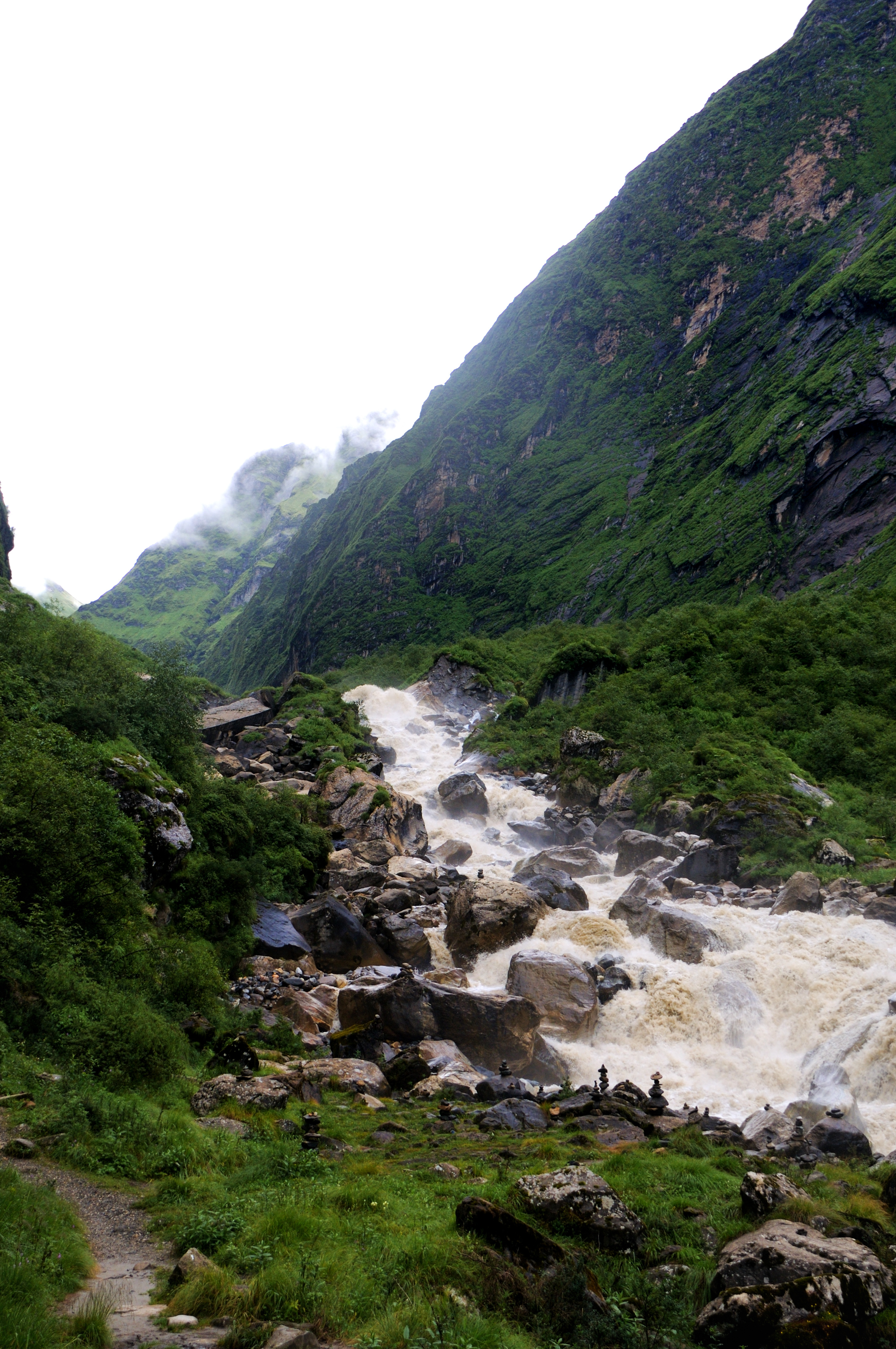
Test your physical endurance by crossing the challenging Kang La Pass (5320 m), and enjoy panoramic awe-inspiring sights of the Himalayas, such as Mt. Annapurna South, Annapurna II, Annapurna III, Mt. Manaslu, Gangapurna, Himlung, and Pisang Peak, including sunrises and sunsets.
The 15 days Nar Phu Valley trekking is one of Nepal’s most isolated and off-the-beaten-path routes, located in the northern parts of the Annapurna region, between the famous Annapurna Circuit and Manaslu trekking trails. Pristine landmarks present the surreal charm of nature, along with rich cultures that have been preserved for centuries, which were only opened to trekkers in 2003. At every step of this restricted area, which ranges from 3700 m to 5320 m, both rewards and challenges appear, making it a once-in-a-lifetime trip. The paths to Kang La Pass test the trekker’s stamina and mental resilience, as these sections will be more strenuous than others.
Trails adorned with rhododendrons, ancient monasteries, and gompas provide spiritual satisfaction, also relieving physical pains caused by struggling to reach distinct destinations. A major sacred place on the route is Tashi Lhakhang Monastery, where you can observe rituals of locals and monks practicing Tibetan Buddhism by blending Nyingma and Kagyu traditions. It is also believed that you get blessings from Guru Rinpoche by offering prayers at the monastery and paying respects.
Even though the trails to two close Nar and Phu villages are easier than most commercial Annapurna Base Camp and Everest Base Camp treks, trekkers have explored them less. If you love serenity and fewer crowds, 15 days of Nar Phu Valley trekking can be ideal for you. Whether you are a beginner or an expert, you can deal with the circumstances by following our guidance for proper preparation. The following are wonderful things that await you in the Nar Phu Valley trekking areas:
As you leave Beshisahar, beginning the official trekking, nature starts showcasing breathtaking scenery. Although the glimpses of mountain ranges appear as you reach Bagarchhap, the scenes become more alive and majestic while spending time around Kotho, Meta, and Kyang. As the Narphu Valley is surrounded by snow-clad peaks, allowing you to capture photographs in such a dramatic background.
The most anticipated moment is standing at Kang La Pass (5320 m), the highest point of the trek, enjoying expansive 360-degree vistas of Annapurna South, Annapurna II, Annapurna III, Manaslu (8163 m), Dhaulagiri (8167 m), Gangapurna (7445 m), Himlung Himal (7126 m), Tilicho Peak (7134 m), Pisang Peak (6091 m), Lamjung Himal, Khangsar Kang, and Chulu Peak (7485 m). The entire journey through rough terrain, canyons, steep gorges, and shimmering ice flows is worthwhile due to the wonderful scenery.
Itinerary
Day 1: Arrival in Kathmandu [1,338m] and transfer to the Hotel.
With an aerial view of the valleys, land at Tribhuvan International Airport, where our representative from Adventure Treks Nepal welcomes you as the package for the Nar Phu Valley trekking is activated. After all these, our team transfers you to the hotel in Thamel, a bustling bazaar, usually known as a major tourist hub of the capital city. After taking a rest for a while, stroll around the markets before the briefing sessions, where you will have guidance from your guide regarding the trek. You can ask questions if you have any doubts.
Day 2: Rest/Free day in Kathmandu. (Also Permit Preparation) “B.” (Must be an official Day).
On this day, we ensure that all required official documents and trekking logistics are arranged, letting you explore Kathmandu Valley. However, you can also rest to refresh from extensive international travel. At the last minute before heading to remote areas of Nar Phu Valley, check the crucial equipment, and also exchange currency. The day is not only for rest but also for adaptation to the environment of Nepal. Enjoy discovering World Heritage Sites such as Pashupatinath, Boudhanath, Swayambhunath, and Durbar Square for more knowledge about Nepal and its history.
Day 3: Drive to Besisahar; after Lunch drive to Bagarchap [2,160m].
Early in the morning, head towards Besisahar following the Trishuli and then the Marshyangdi rivers. Within 5 to 6 hours, you will have to change vehicles for Bagarchhap, a village with a smaller population. Further ahead, covering 53.5 km of the Besisahar-Chame Sadak route, you will finally reach the day’s destination within 2.5 to 3 hours, traversing Bahun Danda, Ghermu, Jagat, Tal, and Thonje. Although some people shifted to Danakyu, to the west of Bagarchhap, after a landslide took place in 1995, killing 11 villagers and 9 trekkers, several are still dedicated to serving tourists by running teahouses. Trekkers on the Annapurna Circuit Trek and Nar Phu Valley Trek often love to pause at this village due to basic but reliable accommodation and meals, as well as for proper altitude acclimatization.
Day 4: Trek from Bagarchhap to Koto [2,670m] (04-05 Hrs).
Wake up early in the morning with the excitement of starting the trek to the Nar Phu Valley. Crossing settlements such as Danakyu, Chame, Syang, Dharapani, and Timang via forests filled with pines and rhododendrons, reach Koto. Although this village is relatively small, you will find several teahouses and lodges for comfortable stays.
Day 5: Trek from Koto to Meta [3,560m]. Trek (07-08 Hrs).
The journey becomes quite demanding but enjoyable, walking through lush woodlands, quaint settlements, and suspension bridges over Nar Khola. Since the restricted area starts from Koto, you have to verify the restricted area permit for further trekking to Meta, gaining an altitude of approximately 890 m. During this section of the Nar Phu Valley trekking, you are treated to the Himalayas, such as Lamjung Himal and Annapurna II. As you are entering the Nar Phu Valley, you will see the transformation of landmarks from lush forests to alpine meadows and more rugged terrain. At the final stretch, the steep and challenging trail tests your physical endurance near Meta.
Day 6: Trek from Meta to Kyang [3,800m] (04-05 Hrs).
After a hearty breakfast, leave the village of Meta to reach Kyang, a winter pasture settlement for the inhabitants of Phu village. With several ascents and descents, cross by glacial moraines, stupas, chortens, and small hamlets to reach the destination. On the way, you are also treated to amazing vistas of snow-clad mountains like Annapurna II, Pisang Peak, Tilje Peak, and Gyaji Kang. Deep gorges and arid landscapes remind you of Mustang. In Kyang, you will get warm and clean teahouses for an overnight stay.
Day 7: Trek from Kyang to Phu Village [4,080m]. B, L, D. Trek (03-04 Hrs).
Although today’s journey is shorter, you need more caution as the landscape begins transforming into more rugged, narrower, and steeper terrain. In this section, you often cross Phu Khola via suspension bridges and walk through dense forests and finally reach Phu village after walking for 3 to 4 hours from Kyang. Situated at an elevation of 4080 m, this beautiful village showcases ancient Tibetan-influenced cultural heritages. Here, you will find the environment more peaceful and houses made of stone with narrow alleys. This place is also known as the centuries-old Tashi Lhakhang Monastery, which is believed to be one of the oldest monasteries in the Annapurna region.
Day 8: Rest day at Phu Village to explore Phu Valley.
As your body requires rest after covering the long length of diverse landmarks, you will take a rest at Phu village. On this day, you can either take a rest by staying home or explore the village for a deep insight into local cultures. While pausing here, you will be physically and mentally prepared to continue ahead, especially for Nar Pass and Kang La Pass. From different vantage points, enjoy extensive views of mountains, and also observe the Tibetan border, instead of sleeping all the time, allowing yourself to adjust to the atmosphere naturally.
Day 9: Trek from Phu to Nar Phedi [3,545m].(06-07 Hrs).
As you finish having delicious local food as breakfast, you will proceed towards Nar Phedi, leaving Nar village. In the first section, the trail will take you to the Phu khola with descents. While enjoying awe-inspiring scenery, walking alongside the mani walls, alpine meadows, and sandy riverbeds adds to the enjoyment. When you reach the day’s destination, a kind of peace stirs your feelings due to the cool atmosphere along with the sacred sites.Located at the base of Nar village, this wonderful settlement offers tourists the opportunity to learn about Buddhist nuns, as it is a dwelling for an isolated nunnery. When you reach there, you also get welcomed by them according to their traditions, allowing you to know about their cultures. Generally, they welcome with common vegan meals together with sacred rites. Due to comfortable teahouses and rich cultures in this remote terrain, tourists love to spend a night here.
Day 10: Trek from Nar Phedi to Nar Village [4,200m].
Waking up early in the morning in a serene nunnery environment, start the journey on ascending trails via steep topography towards Nar village. Before climbing to this village, you can also observe the morning activities of nuns, as they are involved in morning prayer and chanting, where you can also participate. When you continuously walk with gradual ascents, admiring chortens, mani walls, and the wide-ranging views of surrounding mountains and cliffs, you forget the struggles that come with such challenging landscapes. Following well-marked trails adorned with colorful chortens and gates, reach the village of Nar, a lively settlement where the stone dwellings in a cluster make it more attractive. Also here, you will be welcomed with a delightful face in their traditional way.
Day 11: Trek from Nar village to Ngawal [3,650m] via Kang La Pass [5,320m]. (08-09 hours)
On this day, you will experience both rewards and challenges, as today the trail traverses Kang La Pass (5320 m), offering you the most wonderful vistas of the trek. As the trekking length is more than before, taking 8 to 9 hours, wake up before sunrise, and make your way towards Nwagal, a notable settlement for authentic Himalayan cultures, influenced by Tibetan Buddhism, like Nar, Phu, and Upper Mustang.The highlight of this session is mesmerizing views of towering peaks such as Gangapurna, Annapurna II, Pisang Peak, and Tilicho Peak while savoring the charm of nature from an environment decorated with prayer flags. After spending a valuable period here at the top, the descending path leads you to Nwagal, where cozy teahouses are available along with great scenes of the Marshyandi river valley.
Day 12: Drive to Beshisahar [760m]. (05-06hrs) (Local Private Jeep)
As you conclude official trekking at Nwagal, a thrilling drive takes you to Besisahar by local or private jeep. Taking memories of the Himalayas with you, a 4WD of 5 to 6 hours gives you enjoyment through the breathtaking scenery. After checking into the hotel, take a rest to get relief from body pains due to walking for long days. In Beshisahar, you can enjoy all kinds of modern services that are missing in remote areas of the trekking areas.
Day 13: Drive to Kathmandu [1,338m]. (05-06)
Once following the Marshyangdi and Trishuli rivers, drive back to the capital city of Nepal, traversing Dumre Bazar, Muglin, Malekhu, and Dharke. When you arrive at Kathmandu, our team member will transfer you to the hotel for the night.
Day 14: Free day in Kathmandu [1,338m].
Before heading to the homeland, you will have a free day in Kathmandu, letting you acclimatize properly and heal pains from walking. However, you can also discover the Kathmandu valley in places missed last time. Buy souvenirs for your loved ones as a memory of the Himalayan country for a lifetime. In the evening, attend our farewell dinner, an exchange of experiences in such unspoiled nature.
Day 15: Departure time!
After you get ready, our team will shift you to the Tribhuvan International Airport as you are going to your own country leaving towering mountains and lush valleys behind. Since it takes some time to get a boarding pass, a representative from Adventure Treks Nepal leaves you there 2 or 3 hours before the scheduled flight.